The Verdict is In: 15 Years for Do Kwon
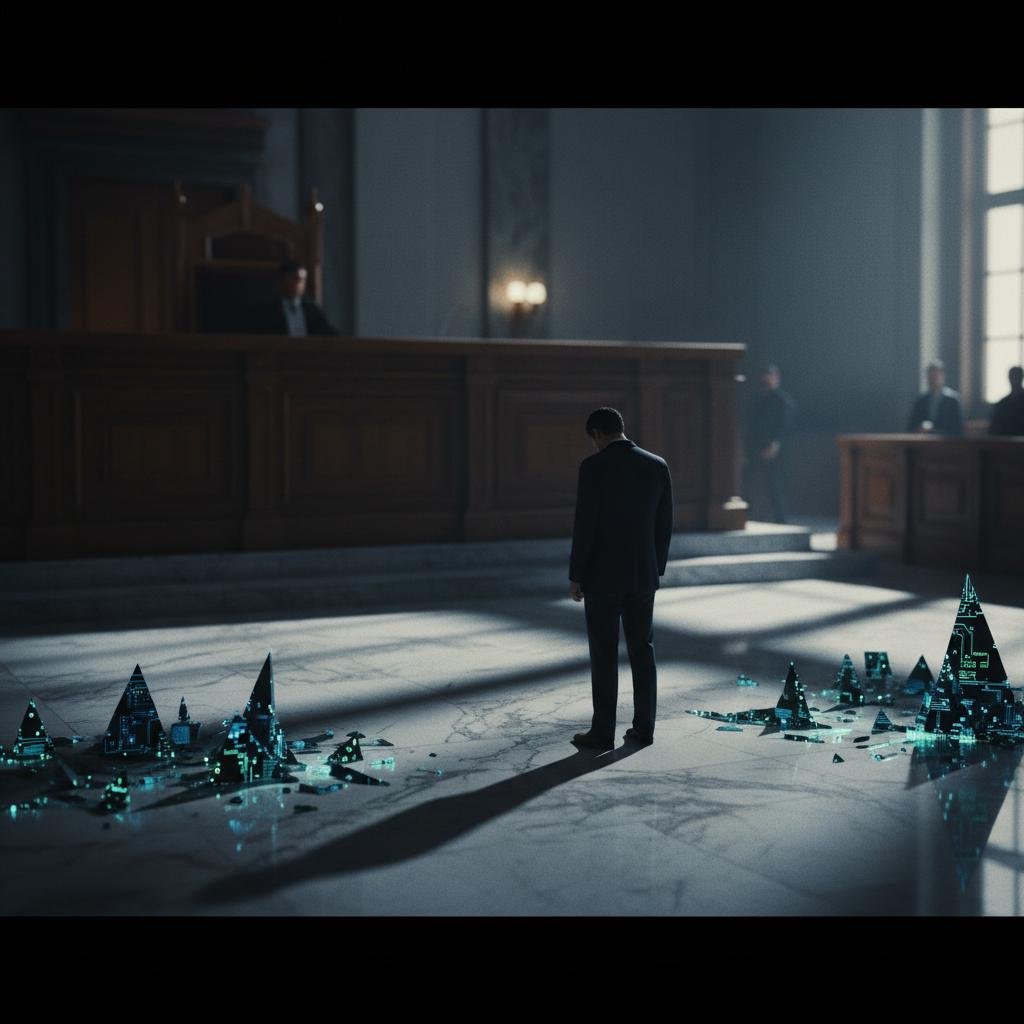
After years of evasion, finger-pointing, and a global manhunt, Terraform Labs co-founder Do Kwon finally has a date with justice: 15 years in a U.S. prison. This isn’t just another headline; it’s the official closing chapter on one of crypto’s most notorious sagas—a saga that saw a $40 billion empire crumble, life savings vanish, and the industry left reeling.
The sentence, confirmed this week, directly connects to the spectacular implosion of the UST stablecoin and its sister token, LUNA. Their collapse didn’t just wipe out vast sums of money; it triggered a cascading crisis across the entire crypto ecosystem, eroding trust and sending shockwaves that are still felt today.
Kwon faces a long stretch. He has to serve at least half his sentence in the States before any hope of transfer to South Korea, where more charges are waiting. This isn’t a surprise ending for anyone who’s been following the case. It follows an August plea deal, where Kwon finally admitted guilt, nearly three years after his initial denials, his flight from justice, and his endless blame games.
From Algorithmic Dream to Retail Nightmare
Remember May 2022? The world watched in horror as Terra fell. UST, pitched as a groundbreaking algorithmic stablecoin, and LUNA, its supposed support, evaporated. The promise was elegant: a stablecoin pegged to the dollar, maintained by arbitrage incentives with a volatile asset. The reality? A house of cards.
When the peg finally broke, the algorithm couldn’t hold. It wasn’t a "black swan" event, as some apologists claimed. It was a fundamental design flaw, exacerbated by opaque dealings and, as the courts have now confirmed, outright fraud. Retail investors, lured by high yields on Anchor Protocol, saw their portfolios turn to dust. Families were shattered. The emotional and financial toll was catastrophic.
This wasn’t just about bad trades; it was about trust betrayed. Many genuinely believed in the project, fueled by Kwon’s aggressive marketing and the sheer momentum of a bull market. The idea that a decentralized system could offer stability and incredible returns was a powerful narrative. But beneath the surface, the foundations were cracking.
The Unfazed Fugitive and the Whistleblowers Who Spoke Up
What makes Kwon’s story particularly galling is his behavior immediately after the collapse. While victims were staring into the abyss, Kwon was reportedly living large in Singapore. He hit upscale restaurants, gave interviews, and brazenly promoted "LUNA 2.0"—a supposed rebuild while the wreckage of the original still smoldered. He openly discussed how he’d recover, seemingly oblivious or indifferent to the ruin he left behind. Critics who dared to question him were dismissed as "conspiracy theorists."
But the full picture of deception within Terraform Labs wasn’t going to stay hidden forever. The truth started to leak out, not from authorities initially, but from a brave cohort of insiders. Between May and July 2022, whistleblowers from within Terra and even Jump Trading began to come forward. They risked everything to expose the rot at the core of Terra’s ecosystem.
- One of the most prominent voices was @FatManTerra, whose relentless investigative work, initially dismissed by many, has now been reinforced by court filings. His detailed breakdowns laid bare the mechanics of the fraud.
- These insiders provided evidence that several of Terra’s flagship projects, like Chai and Mirror Protocol, were allegedly faking on-chain transactions to inflate adoption numbers and mislead investors. It was a facade designed to create the illusion of a vibrant, growing ecosystem.
- Even more damning: they revealed that Jump Trading secretly bailed out UST during an early de-peg event. This wasn’t a decentralized system self-correcting; it was a backroom deal, creating a dangerous illusion of stability that tricked countless retail users into believing the system worked. It didn’t. It never did.
For months, these whistleblowers screamed into the void, publishing documents, testimonies, and analyses. They were harassed, ridiculed, and accused of spreading FUD. Years later, every single one of their claims has been validated in a courtroom.
The Chase and the Long Arm of the Law
As the crypto community struggled to process the fallout, and whistleblowers continued their fight, victims escalated their efforts. Key insiders began cooperating with the SEC, FBI, and SDNY. They painstakingly detailed the mechanisms behind UST’s collapse, providing transaction logs, internal messages, and explanations of the alleged market manipulation disguised as "algorithmic stability."
Yet, for a time, Kwon remained untouchable. He was relaxed, seemingly wealthy, and utterly out of reach. But the tide turned. By October 2022, the revelations were too serious to ignore. Warrants were issued. Regulators moved in. Terra’s former partners scattered. And Kwon, once crypto’s loudest showman, simply vanished.
His run from justice ended in March 2023, captured in Montenegro while trying to travel with fake documents. Despite initial denials, the legal pressure from both the U.S. and South Korea was immense. He finally made his first U.S. courtroom appearance in January 2025, a critical moment signaling the transition from manhunt to formal judicial process.
Over the next year, court filings meticulously documented the fraud, manipulation, and misrepresentation that permeated Terraform Labs. These reports echoed precisely what early whistleblowers had screamed from the rooftops back in 2022. The sentencing confirms what multiple investigations had already concluded: the Terra ecosystem was a house of cards built on deception, propped up by fake data, and destined to collapse the moment its synthetic demand dried up.
The Aftermath: Scars and Lessons
Kwon’s sentencing isn’t just a victory for justice; it’s a landmark event for the entire crypto industry. The Terra collapse wasn’t an isolated incident; it was a destructive domino effect:
- Hedge funds took massive hits.
- Lending platforms, entangled in the mess, imploded.
- Investor confidence across the board evaporated.
- Regulators globally tightened their grip, pushing for more scrutiny and stricter rules.
Billions in value vanished, and countless projects struggled to recover from the sheer force of the shockwave. This verdict doesn’t magically heal the wounds, but it does mark a crucial step towards accountability. For younger crypto investors who rode the 2020-2022 bull run, Terra was a brutal, real-time education in the dangers of unchecked hype, hidden leverage, and opaque incentives.
What’s next for Kwon? A long stay in prison, for starters. South Korea still wants a piece of him once he’s eligible for transfer. Civil lawsuits continue. Terraform Labs remains mired in bankruptcy. But for the victims, who waited nearly three agonizing years, this verdict is a long-delayed recognition of their suffering and a powerful validation of the whistleblowers who dared to speak truth to power.
The Terra saga will forever be a defining lesson in modern crypto history: a stark reminder of what happens when ambition eclipses ethics, transparency is sacrificed for belief, and a system rewards illusion over fundamental value. The justice system has done its part. Now, the industry must carry forward the scars—and more importantly, the hard-won lessons.